
Resilient through data and clear supply chain management
Recently, representatives from the business community, government, and knowledge institutions came together during the 'Resilience in Practice' workshop, organized by Connekt and Topsector Logistiek. The goal: to explore how the supply chain can be collectively better prepared for crises, disruptions, and escalations. Recent experiences with pandemics, geopolitical tensions, and a specific high-water case study from the Alblasserwaard made the urgency palpable – resilience is no longer a side issue, but a prerequisite for continuity.
The meeting provided space for insight and mutual alignment. During discussions and work sessions, it became clear that many parties already possess valuable data, but that it is often still fragmented. By better connecting available data sources, a reliable and shared picture can be formed more quickly in crisis situations. This is essential for determining where interventions are most needed and for providing objective substantiation for decision-making – including at the political level.
Another important theme was the need for a clear Chain of Command (CoC). When it is clear who is responsible at any given moment, the supply chain as a whole can respond more quickly. This structure acts as an escalation ladder that prevents disorder and ensures collective action instead of parallel actions. Furthermore, better data sharing makes it possible to feed that CoC with up-to-date information, which strengthens decisiveness and effectiveness.

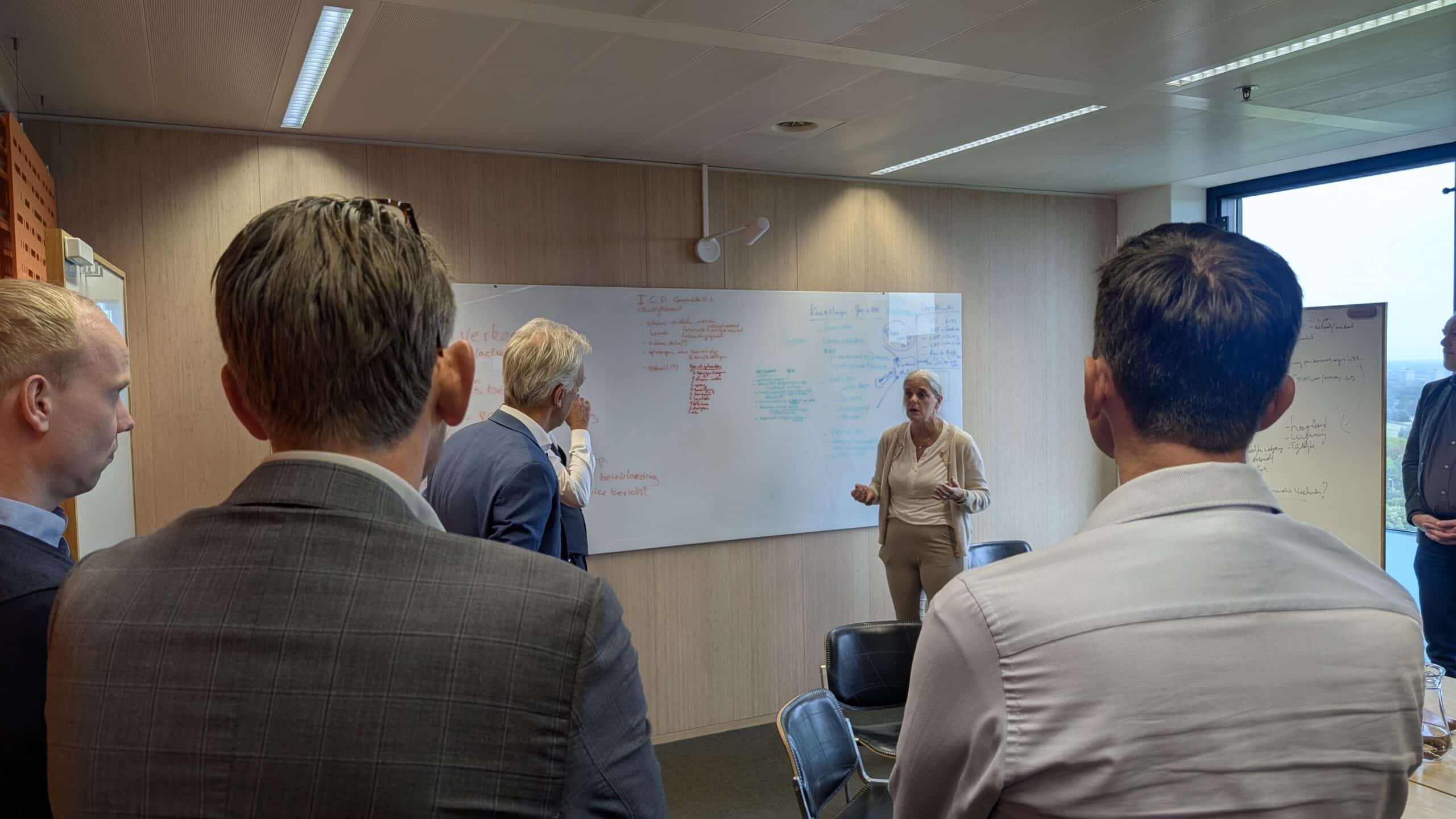
White paper and next steps
Connekt and Topsector Logistiek have therefore proposed drafting a white paper with the participants. This document describes practical next steps, required resources, and forms of cooperation to actually realize the opportunities discussed. The goal is not to write a vision document, but an approach that leads to concrete results: more resilient supply chain collaboration, in which data and management form the basis for well-coordinated actions.
The participants expressed the intention to continue this line of action together. Because only through structural cooperation, trust in data sharing, and clear responsibility can the logistics chain be prepared for what is to come – and show resilience when it truly matters.