
What Zeeland is learning about the future of public transport
How do you keep regions accessible when traditional public transport models are under pressure? In Zeeland, work has been underway since 2025 on a new model for public transport, in which public transport, demand-responsive transport, and target group transport increasingly converge. During a meeting at Connekt, those involved shared their experiences, dilemmas, and lessons.
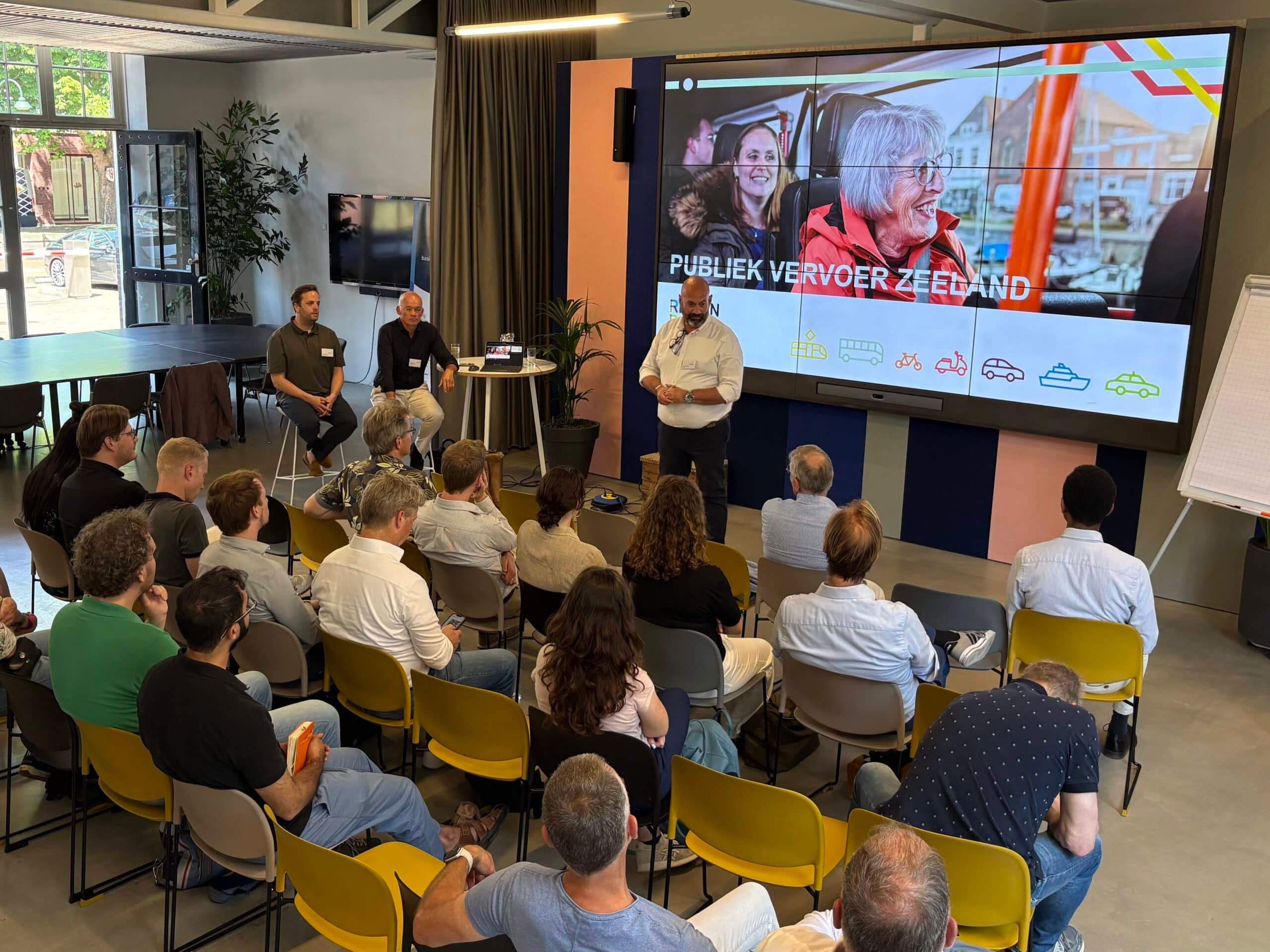

From public transport to public mobility
Zeeland faces a challenge that many regions recognize: long distances, limited passenger numbers, and rising costs for public transport and target group transport. Therefore, the province and municipalities are working on a system in which regular public transport is combined with flexible transport on request.
In addition to train and bus connections, travelers can use FLEX transport: demand-responsive trips that can be booked via an app or by telephone. Depending on the location and situation, travelers are picked up at a hub or at home.
Innovation is not just about technology
According to those involved, the greatest innovation is not in the technology, but in the organization behind it.
Where public transport, Wmo transport (Social Support Act), and student transport are normally separate systems, Zeeland is attempting to bring them together. This requires new forms of cooperation between municipalities, the province, operators, and technology partners.
Governance also plays an important role in this. For example, work is being done with one central organization that will be responsible for managing public transport in Zeeland.
New dilemmas
In practice, this simultaneously raises new questions. When does a regular bus line take priority over FLEX transport? How do you keep the system affordable? And how do you prevent flexible transport from eventually competing with regular public transport?
In addition, issues play a role regarding:
- Capacity during peak times;
- Integration of public transport payment systems;
- Driver shortages;
- And the smart combination of different types of trips.
Data and monitoring are therefore becoming increasingly important to better manage accessibility, efficiency, and costs.
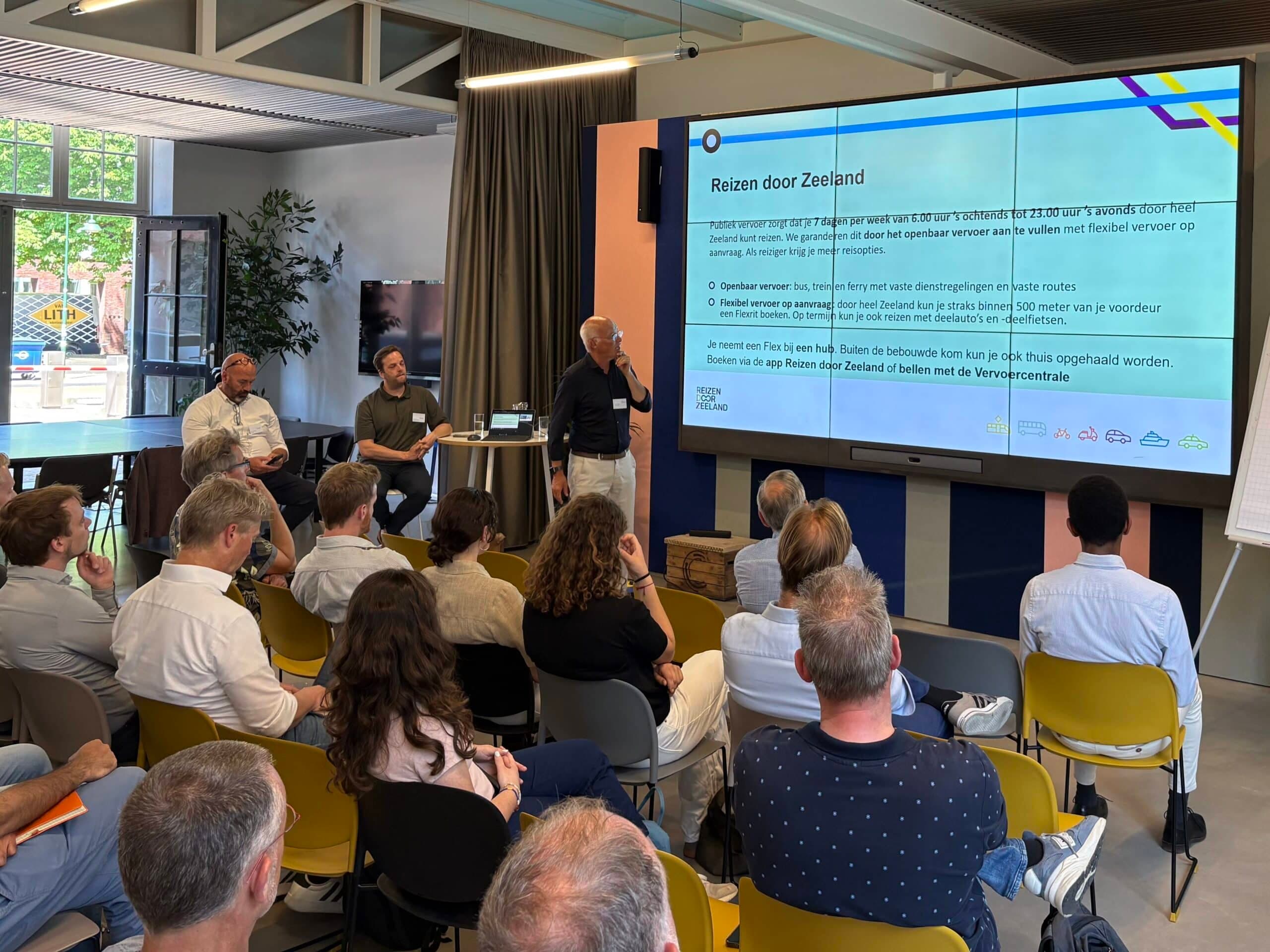

Interesting field experiment
The first results are positive: usage is growing and travelers rate the system highly. At the same time, those involved emphasize that Zeeland does not want to present a blueprint, but rather a field experiment from which other regions can learn.
The project shows that the discussion about the future of public transport is increasingly about public mobility as a whole and about the question of how fixed and flexible mobility can be combined more intelligently.
Discuss further?
Within Connekt, we bring together governments, operators, and mobility partners around issues of public mobility, accessibility, and innovation. Contact us for more information.